
How Auracast Can Improve Hearing for People with Hearing Loss
Hearing loss affects millions of people worldwide, often making it difficult to follow conversations or understand speech in noisy environments. While traditional hearing aids have significantly improved over the years, challenges remain—especially in public settings like airports, theaters, or lecture halls. A new wireless audio technology, Auracast, offers a promising step forward in accessibility and everyday usability.
What Is Auracast?
Auracast is a broadcast audio feature built on Bluetooth Low Energy (LE Audio). Unlike conventional Bluetooth connections, which typically pair one device to another, Auracast allows a single audio source to broadcast sound to an unlimited number of nearby receivers. This means that compatible hearing aids, earbuds, or headphones can “tune in” to a shared audio stream—similar to selecting a Wi-Fi network.
Practical Benefits in Real-Life Situations
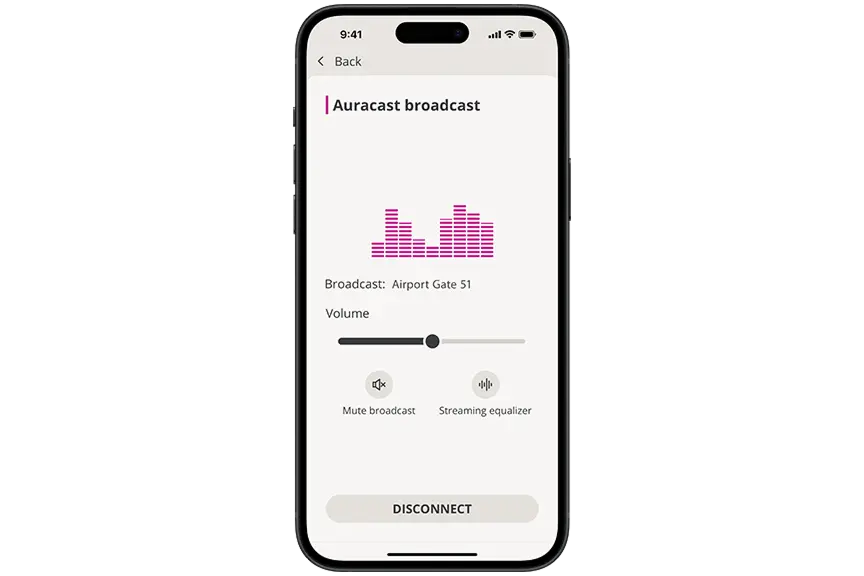
For people with hearing loss, Auracast can make a tangible difference in environments where background noise and distance are major barriers. For example, in a busy train station, an Auracast-enabled announcement system can transmit clear audio directly to a user’s hearing aids, bypassing ambient noise. In theaters or conference venues, users can receive high-quality sound streamed straight from the microphone or sound system.
This direct transmission reduces reliance on lip-reading or guesswork and can significantly lower listening fatigue. Importantly, users remain in control—they can choose which broadcast to connect to and adjust volume according to their personal preferences.
Integration with Modern Hearing Aids
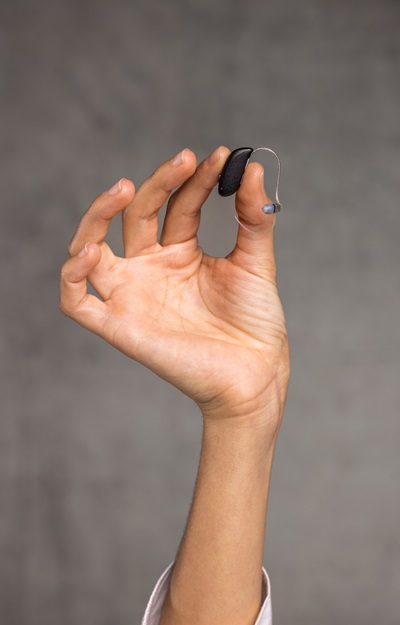
Several leading hearing aid manufacturers, including GN Hearing, Starkey, and Oticon, have begun integrating Auracast compatibility into their latest devices. This integration means users do not need additional accessories or intermediary devices to benefit from the technology. As more public spaces adopt Auracast broadcasting, the value of having compatible hearing aids will continue to grow.
A Step Toward Inclusive Audio Environments
Auracast represents more than just a technical upgrade; it is part of a broader shift toward inclusive design. By enabling shared audio experiences that are accessible to everyone, it helps bridge the gap between people with normal hearing and those with hearing impairments.
While widespread adoption will take time, the direction is clear. As infrastructure and device compatibility expand, Auracast has the potential to become a standard feature in public audio systems—making everyday listening more accessible, reliable, and user-friendly.
In that sense, Auracast is not just an innovation; it is a practical tool that can meaningfully improve quality of life.