
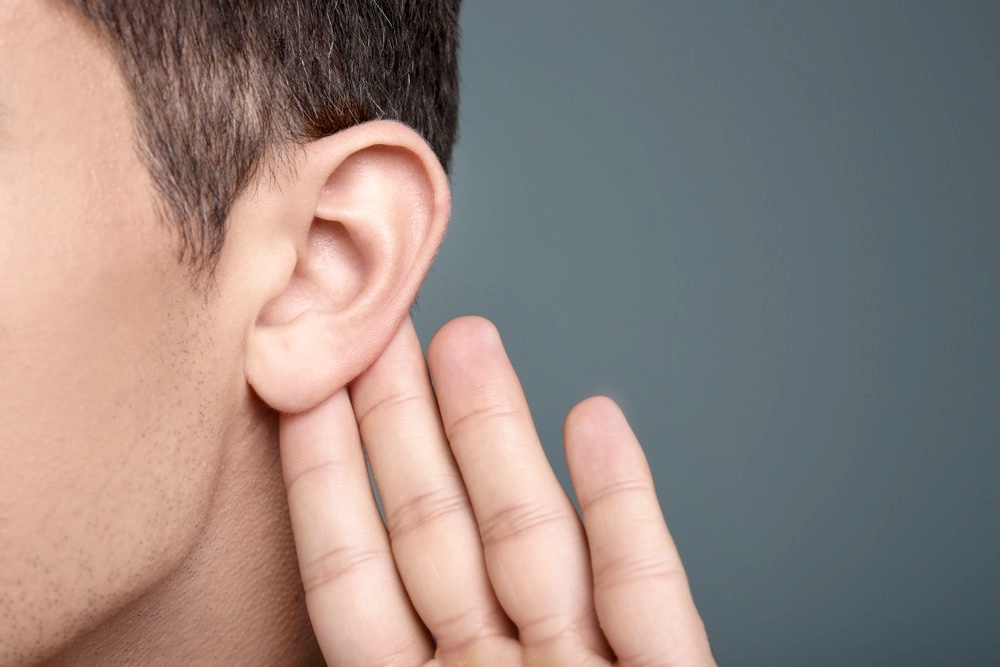
Hearing loss, also known as hearing impairment, occurs when the ability to hear sounds is reduced compared to normal hearing levels. It can affect one or both ears and may range from mild to profound. Some people notice difficulty hearing conversations, especially in noisy environments, while others may struggle to hear softer sounds such as whispers or high-pitched tones.
What is considered hearing loss?
Hearing loss is typically defined through a hearing test (audiometry). In adults, hearing thresholds above 25 decibels (dB HL) are generally classified as hearing loss. The condition is commonly divided into mild, moderate, severe, and profound categories depending on the degree of reduced hearing sensitivity.
What does hearing loss mean in everyday life?
Hearing loss can make it harder to follow conversations, particularly in groups or background noise. It may lead to misunderstandings, listening fatigue, or social withdrawal. Some individuals also experience tinnitus (ringing in the ears) alongside hearing loss. Early assessment is important, as untreated hearing loss can affect communication, work performance, and overall quality of life.

Can hearing loss be cured?
Whether hearing loss can be cured depends on its cause. Some temporary types — for example those caused by earwax blockage or certain infections — can often be treated medically. However, the most common forms, such as age-related or noise-induced hearing loss, are usually permanent.

Although permanent hearing loss cannot typically be reversed, it can be effectively managed. Modern hearing aids and assistive listening technologies significantly improve hearing ability, communication, and quality of life.
[wprevpro_usebadge tid="2"]
Questions about hearing loss?
For personal advice or help booking an appointment, you can call us at +46 8 720 39 00 or leave a message on the right.
