
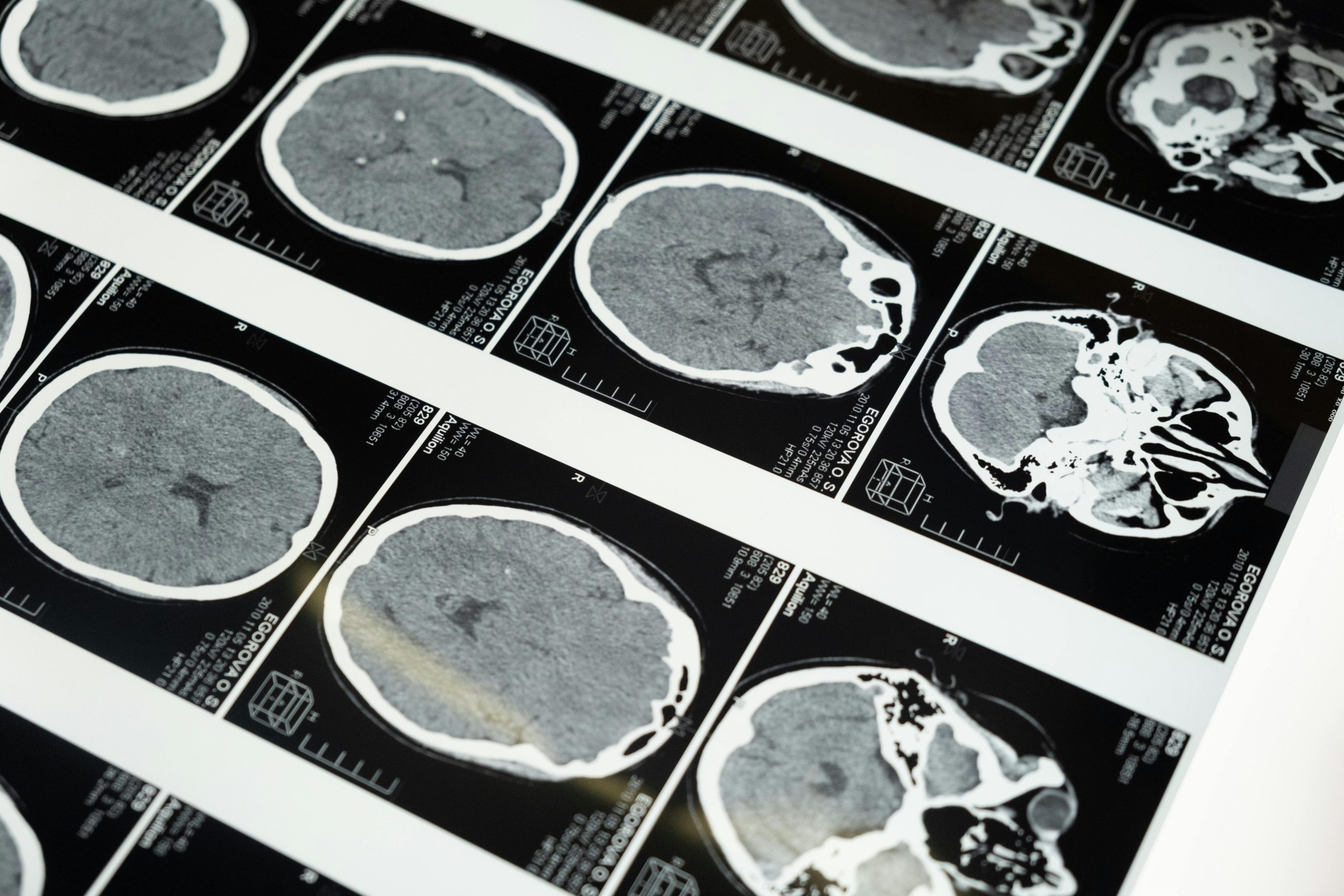
Hearing loss is one of the most common chronic conditions affecting older adults. Yet many people underestimate its impact, not only on communication but also on overall brain health. Recent research has revealed a strong link between hearing impairment and an increased risk of cognitive decline and dementia, highlighting the importance of early detection and intervention.
Studies indicate that adults with untreated hearing loss are significantly more likely to develop dementia compared to those with normal hearing. The exact reasons for this connection are still being explored, but several factors may contribute. First, when the brain has to work harder to process sounds, it diverts cognitive resources away from memory and thinking, which may accelerate cognitive decline. Second, hearing loss can lead to social isolation and loneliness, both of which are known risk factors for dementia. Finally, untreated hearing problems may contribute to changes in brain structure over time.
The good news is that addressing hearing loss may help reduce these risks. Using hearing aids or other assistive listening devices can improve communication, increase social engagement, and reduce the cognitive load on the brain. Regular hearing assessments, especially for older adults, are an important preventive measure.
Awareness is key. Many people delay seeking help, thinking that reduced hearing is just a normal part of aging. However, treating hearing loss is not only about improving your ability to hear — it’s about protecting your brain and maintaining quality of life.
In summary, hearing loss is more than an inconvenience; it is a health issue with potential long-term effects on cognition. Early detection, hearing rehabilitation, and social engagement are crucial steps to reduce the risk of dementia and help individuals remain connected, active, and mentally sharp.