Publicerad den Lämna en kommentar

How does a hearing test with AirPods work? We tried it ourselves

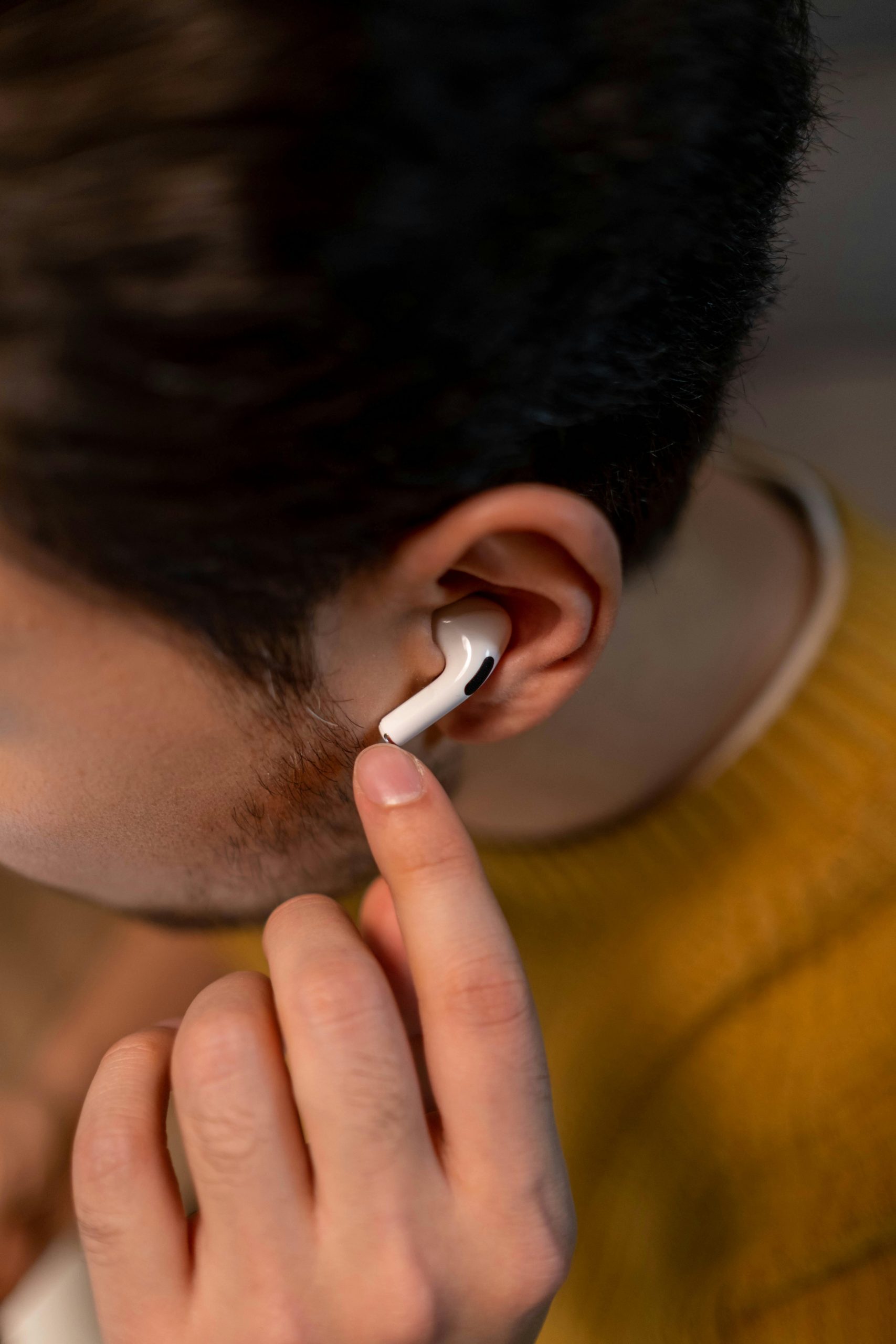
Hearing tests with AirPods are becoming an easy way to get a quick overview of your hearing at home. You simply wear the earbuds in a quiet environment and follow instructions in an app that plays tones or speech at different levels. You respond whenever you hear a sound, and the app gives an estimate of your hearing based on your answers.

Some versions also include speech-in-noise tests, where you listen to words with background sound to see how well you can understand speech in more realistic situations.

We have tried the AirPods hearing test ourselves, and the experience was surprisingly similar to a traditional hearing test. The setup and type of listening tasks felt very familiar, even though it was done through a mobile app instead of clinical equipment.

That said, these types of tests are mainly meant as a screening tool. They can give a helpful indication of your hearing, but they don’t replace a full hearing test with an audiologist. If something seems off, it’s always a good idea to follow up with a professional assessment.

AirPods as hearing support – do they work?

AirPods can also be used in some situations as a form of basic hearing support, but they are not a replacement for proper hearing aids. While they can amplify sound and improve clarity in certain environments, they are not designed for long-term or clinical use.

One thing we noticed is that they can feel quite occluding in the ear, which can make your own voice sound blocked or “boomy”, especially compared to traditional hearing aids that are custom-fitted. Another limitation is battery life. Even with a full charge, they typically do not last a full day of continuous use, unlike hearing aids that are designed for all-day wear.

So while AirPods can be helpful as a supplement or for testing and occasional use, they do not replace properly fitted hearing aids prescribed by an audiologist.

Watch our video where we talk about it in more detail — click here to watch the clip (in Swedish).

Louise Fogelqvist, Certified Audiologist

Publicerad den Lämna en kommentar

Rechargeable hearing aids – how long do they last?

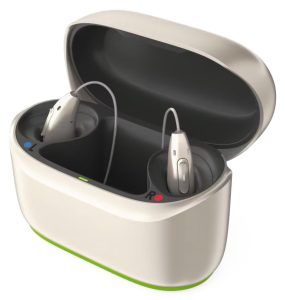
buy-infinio-phonak

We often get questions about rechargeable hearing aids with Bluetooth—and it’s easy to see why! The main thing people want to know is: how long does the battery actually last? And the answer is… it depends. (Yep, the classic answer nobody loves—but it’s true.)

There are several factors that affect battery life. First, the model of hearing aid you have. Then there’s the type of phone you use, your level of hearing loss, and not least the environment you’re in. Do you have more significant hearing loss? Then the devices will use more power. Are you often in noisy environments? That’s more power again. These little devices have to work harder in those situations.

Let’s say you spend a lot of time in the car. If your hearing aids have the right technology, they’ll constantly communicate with each other to give you the best possible speech clarity. It’s like having two tiny assistants in your ears, continuously adjusting the sound for you.

Let’s take an example: hearing aids from Phonak, which are “Made for All.” They work with most Bluetooth-enabled devices—Android phones, iPhones, older mobile phones, computers, certain TVs… pretty much anything you can connect to. Most manufacturers (including Phonak) state that it takes about three hours to charge them from zero to full. That said, we recommend charging them overnight—so you know they’re ready to go in the morning, fully powered.

If you have moderate hearing loss and spend your day in a typical office environment, the battery can last up to 24 hours—even with about 80 minutes of streaming. If you stream for five hours instead (maybe a podcast marathon or binge-watching your favorite show), you can expect around 20 hours of battery life. A more “average” day—say four hours of phone calls and four hours of TV—lands at roughly 16 hours.

Hearing aids from ReSound, on the other hand, are “Made for iPhone.” They use a slightly different Bluetooth technology that actually consumes less power. Here too, it takes about three hours to fully charge from empty. Without any streaming, you can get up to 30 hours of battery life. And if you stream about half the time—music, videos, or calls—you can still get around 24 hours. Pretty impressive, actually.

But how long do the batteries themselves last?

Most manufacturers say you can expect a lifespan of around 5–6 years. After about four years, you may start to notice that the battery life becomes a bit shorter. Nothing dramatic—but it’s good to be aware of.

Depending on the model, the battery may be replaceable directly at your hearing clinic, or the device may need to be sent in for service. This varies between manufacturers.

One last important tip

Don’t leave your hearing aids completely discharged for long periods. This applies to most rechargeable devices. It’s best to use them regularly. And if you know you won’t be using them for a while: charge them fully, turn them off, and then store them.

Publicerad den Lämna en kommentar

What is tinnitus and what can you do about it?

Tinnitus is something many people experience at some point in their lives. For some, it’s a faint hissing sound that only appears occasionally, while others may notice a more distinct ringing or buzzing in their ears. What characterizes tinnitus is that you hear a sound that doesn’t come from your surroundings—the sound is generated somewhere within your own hearing system.

In this article, we’ll go through what tinnitus is, why it occurs, and what you can do to reduce the discomfort.

What is tinnitus?

Tinnitus means hearing a sound even though there is no external source. The sound can be perceived in many different ways, such as:

  • high-pitched ringing
  • hissing or buzzing
  • a constant tone
  • pulsating or humming sounds

It’s important to understand that the sound is not imagined. It’s very real to the person experiencing it, but it originates somewhere in the auditory system—such as the inner ear or in the signals being sent to the brain.

You can think of it like an electrical system where something starts to hum or crackle. Just like in a guitar amplifier, the issue can arise at different points in the system.

Common causes of tinnitus

Tinnitus can have many different causes, and sometimes several factors are involved at the same time. Some of the most common include:

Hearing damage or hearing loss

A common cause is damage to the tiny hair cells in the inner ear. When this happens, they may start sending signals to the brain that are interpreted as sound—even though no actual sound is present.

Loud noise exposure

After a concert, a night out, or a day in a noisy environment, you might notice ringing or buzzing in your ears. This often goes away after a while—but it’s a sign that your ears have been overloaded.

Stress and fatigue

Stress, poor sleep, and general exhaustion can make tinnitus feel more intense.

Tension in the neck and jaw

Tight muscles in the neck or jaw can affect the auditory system and sometimes make tinnitus worse.

Certain medications

Some medications, including certain painkillers, can in some cases trigger or amplify tinnitus.

Why is tinnitus often more noticeable at night?

Many people find that tinnitus becomes more noticeable when they’re trying to fall asleep. This usually isn’t because the sound itself is getting louder—it’s because the brain has less else to focus on.

Normally, the brain filters out a huge amount of background information. When it’s quiet, there are fewer external sounds to compete with, making tinnitus more noticeable.


What can you do about tinnitus?

Unfortunately, there’s no universal cure for tinnitus. However, there are many ways to reduce the discomfort and make it less noticeable.

1. Take care of your hearing

Avoid very loud sounds and use hearing protection in noisy environments. A simple rule of thumb:

If you have to raise your voice to speak to someone one meter away, the noise level is probably too high.

2. Reduce stress

Stress and fatigue can make tinnitus more noticeable. Regular exercise, better sleep, and proper recovery can help.

3. Background sound can help

Many people find that tinnitus is less bothersome when there’s a gentle background sound, such as:

  • calming music
  • nature or ambient sounds
  • a podcast
  • specially designed tinnitus masking sounds

This helps the brain focus on other sounds.

4. Hearing aids

If tinnitus is linked to hearing loss, hearing aids can sometimes help. They amplify external sounds, which reduces the brain’s focus on the tinnitus.

5. Get a hearing test

If you experience tinnitus, it’s a good idea to check your hearing. A hearing test can reveal whether your symptoms are connected to hearing loss and help guide the right treatment.

When should you seek help?

You should consider contacting a healthcare provider or hearing specialist if:

  • the tinnitus doesn’t go away
  • the sound becomes stronger or more disturbing
  • you also experience hearing loss
  • it affects your sleep or quality of life
  • it occurs together with dizziness or balance problems

If tinnitus occurs along with dizziness, unsteadiness, or balance issues, it may indicate that the inner ear is affected. The inner ear contains both the hearing and balance organs, so problems there can impact both systems at the same time.

In such cases, it’s especially important to have a doctor or hearing specialist investigate the cause. In many cases, the cause is harmless—but it’s still wise to get a proper assessment and the right support.

Publicerad den Lämna en kommentar

How Auracast Improves Hearing Accessibility for People with Hearing Loss

buy-auracast-hearing-aid

How Auracast Can Improve Hearing for People with Hearing Loss

Hearing loss affects millions of people worldwide, often making it difficult to follow conversations or understand speech in noisy environments. While traditional hearing aids have significantly improved over the years, challenges remain—especially in public settings like airports, theaters, or lecture halls. A new wireless audio technology, Auracast, offers a promising step forward in accessibility and everyday usability.

What Is Auracast?

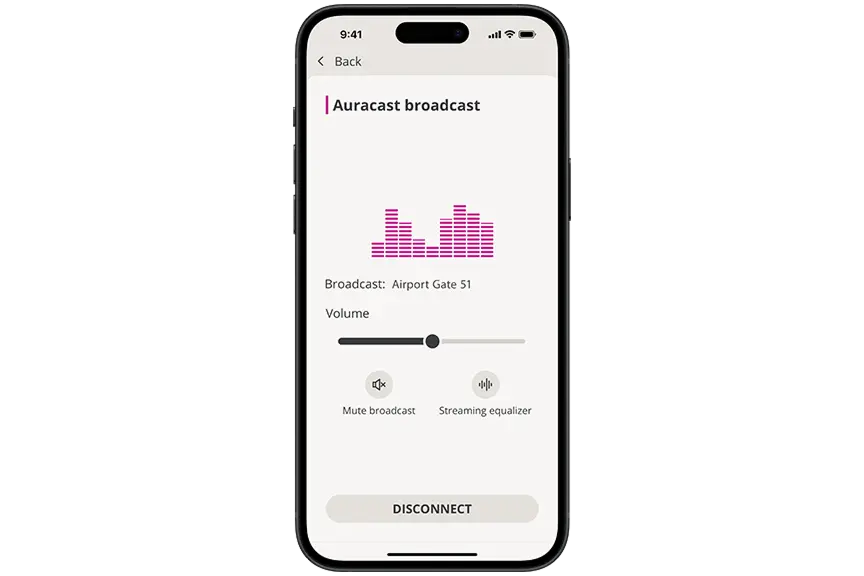
Auracast is a broadcast audio feature built on Bluetooth Low Energy (LE Audio). Unlike conventional Bluetooth connections, which typically pair one device to another, Auracast allows a single audio source to broadcast sound to an unlimited number of nearby receivers. This means that compatible hearing aids, earbuds, or headphones can “tune in” to a shared audio stream—similar to selecting a Wi-Fi network.

oticon-auracast

Practical Benefits in Real-Life Situations

For people with hearing loss, Auracast can make a tangible difference in environments where background noise and distance are major barriers. For example, in a busy train station, an Auracast-enabled announcement system can transmit clear audio directly to a user’s hearing aids, bypassing ambient noise. In theaters or conference venues, users can receive high-quality sound streamed straight from the microphone or sound system.

This direct transmission reduces reliance on lip-reading or guesswork and can significantly lower listening fatigue. Importantly, users remain in control—they can choose which broadcast to connect to and adjust volume according to their personal preferences.

Integration with Modern Hearing Aids

Several leading hearing aid manufacturers, including GN Hearing, Starkey, and Oticon, have begun integrating Auracast compatibility into their latest devices. This integration means users do not need additional accessories or intermediary devices to benefit from the technology. As more public spaces adopt Auracast broadcasting, the value of having compatible hearing aids will continue to grow.

auracast-hearing-aid

A Step Toward Inclusive Audio Environments

Auracast represents more than just a technical upgrade; it is part of a broader shift toward inclusive design. By enabling shared audio experiences that are accessible to everyone, it helps bridge the gap between people with normal hearing and those with hearing impairments.

While widespread adoption will take time, the direction is clear. As infrastructure and device compatibility expand, Auracast has the potential to become a standard feature in public audio systems—making everyday listening more accessible, reliable, and user-friendly.

In that sense, Auracast is not just an innovation; it is a practical tool that can meaningfully improve quality of life.

Publicerad den Lämna en kommentar

Oticon Zeal now available at Audiologiska – hear better, live more

buy-oticon-zeal

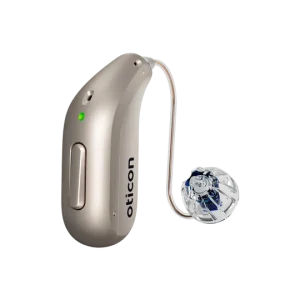
Good news: Oticon has introduced its latest hearing innovation, Oticon Zeal, and it is now available at Audiologiska. Designed with patients in mind, Zeal combines discreet design, powerful performance, and modern connectivity to help you stay engaged in every moment of your day.  Buy them here

Discreet. Go ahead. Flaunt your hearing.

Hearing aids have come a long way—and Oticon Zeal proves it. These devices are designed to be subtle and comfortable, blending naturally into your everyday life. But discreet doesn’t mean invisible in impact.

In fact, it’s time to feel confident about your hearing again. Go ahead—flaunt it. When you hear better, you live better, and that confidence shows.

oticon-zeal-small

Great sound – even in noise

One of the biggest challenges for people with hearing loss is understanding speech in noisy environments. Whether you’re at a busy café, a family dinner, or out walking in the city, background noise can quickly become overwhelming.

Oticon Zeal is built to solve exactly that. It is proven to deliver superior speech clarity—even in challenging listening situations.* This means less guessing, fewer “sorry, could you repeat that?” moments, and more natural conversations.

In short: you can focus on what matters—the people around you.

Made to connect

Life today is digital, and your hearing aids should keep up. Oticon Zeal is designed to connect seamlessly with your everyday devices.

Your phone calls, your favorite music, your video chats with family—everything becomes easier to hear and enjoy. Zeal helps bring your digital world to life, so you stay connected not only to sound, but to the people and experiences that matter most.

Rechargeable – simple and reliable

Forget about constantly changing batteries. Oticon Zeal offers a rechargeable solution that provides reliable, all-day power**.

Just place your hearing aids in the charger overnight, and they’ll be ready to go when you wake up. It’s simple, convenient, and one less thing to think about in your daily routine.

Flexible fitting – even same day

At Audiologiska, getting started with better hearing has never been easier. Oticon Zeal is designed for flexible fitting, meaning you may even be able to receive your hearing aids on the same day as your appointment.

That means less waiting—and more hearing.

Your audiologist will ensure the devices are carefully adjusted to your unique hearing needs, so you get the best possible experience from day one.

Discreet and complete

Oticon Zeal is more than just a hearing aid—it’s a tool to help you get back into life fully. Whether it’s social gatherings, work meetings, or simply enjoying quiet moments at home, Zeal supports you every step of the way.


Now, nothing needs to hold you back. There’s finally a hearing solution designed to match your lifestyle, your pace, and your expectations.

Publicerad den Lämna en kommentar

Hearing clinic in Stockholm for english speakers

about-us-audiologiska

If you are an English speaker living in or visiting Sweden and need hearing care, Audiologiska makes it easy to get professional support. First of all, we have several locations across the Stockholm area, which means you can choose the one that is most convenient for you.

Our Locations

  • Lidingö – 5A, Herserudsvägen, 181 50, Lidingö

  • Danderyd – Svärdsvägen 21 182 33 Danderyd

  • Dalens Sjukhus – Åstorpsringen 6, 121 31, Enskededalen

What to expect

When you visit Audiologiska, you will receive professional, personalized hearing care in English. For example, our team can help you with hearing assessments, hearing aid fitting, and advice on the right hearing solution. Additionally, we make sure your visit is comfortable, so you can ask questions freely and get the support you need.

Booking your visit

You can easily book an appointment online through our website. If you already have hearing test results, please bring them or send them to us before your appointment. Otherwise, you can take an online hearing test using this link to prepare for your visit.

Also, you can call us at +46 8 720 39 00 or email info@audiologiska.se for any questions or to schedule an appointment. This way, we can make sure your visit goes smoothly.

Why choose audiologiska

We have English-speaking staff to ensure clear communication. In addition, our multiple locations across Stockholm make it easy to find a convenient clinic. Finally, we provide personalized hearing care that is tailored to your needs.

Overall, whether you are new to Sweden or just need a hearing check-up, visiting Audiologiska is simple, efficient, and stress-free. Therefore, book your appointment today and take the first step towards better hearing.

Publicerad den Lämna en kommentar

Musicians and Tinnitus: Protecting Your Hearing from Noise-Induced Damage

tinnitus-music

Tinnitus, commonly experienced as ringing, buzzing, or hissing in the ears, is a significant concern for musicians. Exposure to loud music, amplified sound, and repeated rehearsals or performances can increase the risk of noise-induced hearing loss and chronic tinnitus.

Musicians often work in environments with sound levels that can exceed safe limits. Over time, this repeated exposure can damage the tiny hair cells in the inner ear, leading to persistent tinnitus. Even short bursts of loud sound, if frequent, may contribute to long-term auditory changes.

The effects of tinnitus on musicians can be profound. Persistent ringing may interfere with hearing subtle musical details, pitch perception, and overall performance. Beyond professional challenges, tinnitus can also cause stress, anxiety, and sleep difficulties, affecting overall well-being.

Prevention is essential for musicians. Using musician earplugs, controlling volume levels, taking regular breaks, and attending routine hearing assessments with an audiologist can help minimize the risk of tinnitus and hearing loss. Early detection allows for effective management and preserves both hearing health and musical abilities.

While there is no cure for tinnitus, treatments focus on symptom management. Sound therapy, cognitive behavioral therapy (CBT), and hearing aids with tinnitus masking features are common approaches. Musicians who adopt these strategies can continue to perform and enjoy music without the distraction of persistent ringing.

In summary, tinnitus is a real risk for musicians, but with awareness, preventive measures, and professional support, its impact can be reduced. Protecting your hearing today ensures a long, healthy musical career and a lifetime of enjoying the sounds you love.

Publicerad den Lämna en kommentar

Hearing Loss and Dementia: Understanding the Connection

hearing-dementia

Hearing loss is one of the most common chronic conditions affecting older adults. Yet many people underestimate its impact, not only on communication but also on overall brain health. Recent research has revealed a strong link between hearing impairment and an increased risk of cognitive decline and dementia, highlighting the importance of early detection and intervention.

Studies indicate that adults with untreated hearing loss are significantly more likely to develop dementia compared to those with normal hearing. The exact reasons for this connection are still being explored, but several factors may contribute. First, when the brain has to work harder to process sounds, it diverts cognitive resources away from memory and thinking, which may accelerate cognitive decline. Second, hearing loss can lead to social isolation and loneliness, both of which are known risk factors for dementia. Finally, untreated hearing problems may contribute to changes in brain structure over time.

The good news is that addressing hearing loss may help reduce these risks. Using hearing aids or other assistive listening devices can improve communication, increase social engagement, and reduce the cognitive load on the brain. Regular hearing assessments, especially for older adults, are an important preventive measure.

Awareness is key. Many people delay seeking help, thinking that reduced hearing is just a normal part of aging. However, treating hearing loss is not only about improving your ability to hear — it’s about protecting your brain and maintaining quality of life.

In summary, hearing loss is more than an inconvenience; it is a health issue with potential long-term effects on cognition. Early detection, hearing rehabilitation, and social engagement are crucial steps to reduce the risk of dementia and help individuals remain connected, active, and mentally sharp.

Publicerad den Lämna en kommentar

Starkey Adds Auracast Assistant, Google Fast Pair to Omega AI Platform

auracast-starkey

Starkey has announced exciting new enhancements to its Omega AI platform, expanding connectivity and usability with the addition of Auracast Assistant and Google Fast Pair support. These updates aim to make the hearing experience smoother, more intuitive, and better integrated with users’ everyday technology.

Auracast Assistant brings support for Auracast™ broadcast audio — a next‑generation Bluetooth™ feature designed to stream audio directly to hearing aids and earbuds in public spaces such as airports, theaters, or classrooms. With Starkey’s implementation, Omega AI users will receive real‑time assistance and prompts to connect to available Auracast broadcast streams, making shared audio experiences more accessible than ever.

In addition, Google Fast Pair integration simplifies the Bluetooth pairing process for Android users. With Fast Pair, compatible devices automatically appear on a nearby Android phone or tablet when in range, allowing users to connect with one tap. This eliminates the need for manual Bluetooth menus and saves time — especially beneficial for people who may already struggle with traditional device pairing.

Together, these features strengthen Starkey’s commitment to seamless connectivity and enhanced user experience. By combining cloud‑enabled intelligence with cutting‑edge audio standards, the Omega AI platform continues to push hearing technology forward — helping wearers stay better connected to the sounds that matter most.

Publicerad den Lämna en kommentar

From Communities to Classrooms: Prioritizing Hearing Care for Children

For World Hearing Day 2026, observed annually on March 3, the World Health Organization (WHO) is highlighting the critical importance of early hearing care for children. The campaign, themed “From communities to classrooms: hearing care for all children,” focuses on identifying and addressing ear and hearing problems in pediatric populations to prevent long-term developmental, educational, and social challenges.

Globally, around 90 million children and adolescents aged 5–19 live with hearing loss. Alarmingly, over 60% of childhood hearing loss is preventable through public health interventions. Unaddressed hearing problems can affect speech, language, and cognitive development, often leading to poorer educational outcomes and reduced opportunities later in life. Early detection and intervention are therefore essential.

The 2026 campaign emphasizes the integration of systematic hearing screening and early intervention into existing child and school health programs. Common, treatable causes of childhood hearing loss—such as otitis media with effusion (OME), chronic suppurative otitis media (CSOM), and impacted earwax—can be effectively managed if identified promptly. Multi-sectoral collaboration is a central message: WHO urges hearing care professionals to work alongside school health, primary care, and education sectors to implement effective programs that reach all children.

To support professionals, WHO has released several practical resources:

  • Vision and hearing screening handbook: guidance for establishing school-based screening programs.

  • Basic ear and hearing care materials: training for non-specialist health workers.

  • mSafeListening handbook: evidence-based tools promoting safe listening behaviors.

Additional tools are on the way, including WHOears, a tone-based hearing screening app, and Smart Hearing for Children, educational videos for ages 5–8.

The WHO encourages organizations to register local World Hearing Day events to increase awareness and visibility for pediatric hearing care initiatives. Through early identification, prevention, and coordinated care, the campaign aims to ensure that every child has the opportunity to hear, learn, and thrive—both in the classroom and beyond.