
Choosing a hearing aid can feel a bit overwhelming. There are many models, features, and technical terms, and it’s easy to wonder which option is “the best.” The good news is that the best hearing aid is not the most expensive or the smallest one — it’s the one that fits your hearing needs, lifestyle, and everyday life.
Start with your hearing needs
The most important factor when choosing a hearing aid is your hearing loss. Hearing aids are programmed based on your hearing test, and different models are suitable for different types and degrees of hearing loss. Some hearing aids provide more power, while others are designed for milder hearing difficulties.

This is why a professional hearing assessment is essential. Your audiologist uses the results to recommend hearing aids that can give you enough amplification without sacrificing comfort or sound quality.
Style and fit: what works for you?
Hearing aids come in several styles. Behind-the-ear (BTE) and receiver-in-canal (RIC) hearing aids sit behind the ear with a thin tube or wire leading into the ear canal. These are the most common types and suit many people because they are flexible, comfortable, and easy to adjust.
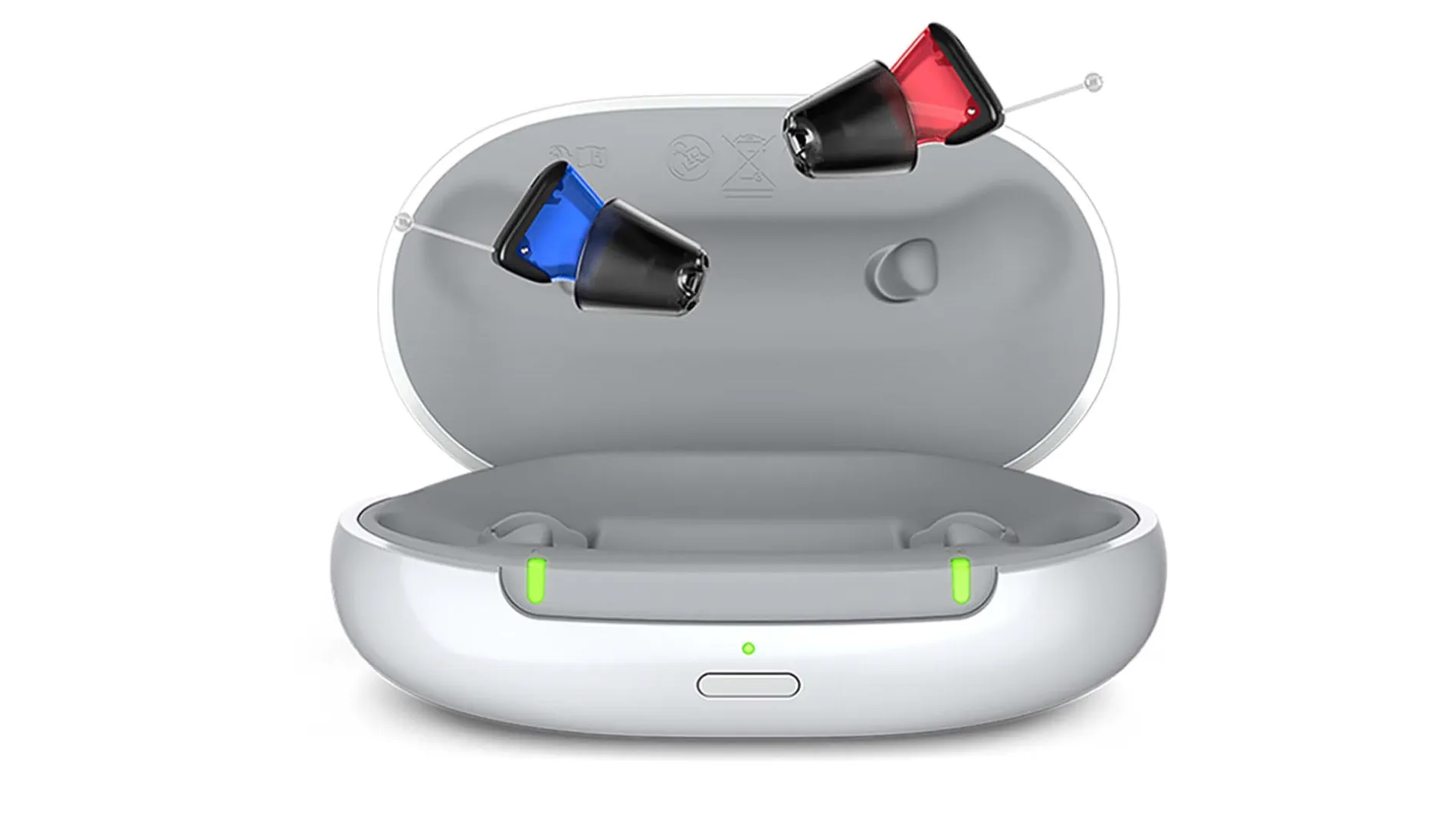
In-the-ear (ITE) and completely-in-canal (CIC) hearing aids are custom-made to fit inside the ear. They are often chosen for cosmetic reasons, as they are less visible. However, their smaller size may limit battery life or certain features, and they may not be suitable for all hearing losses.
There is no “better” style — only what works best for you, your ears, and your daily activities.
Your lifestyle matters more than you think
Think about how you spend your days. Do you often have conversations in noisy environments? Do you attend meetings, social gatherings, or family dinners where many people talk at once? Or do you mostly communicate one-on-one in quieter settings?

If you lead an active lifestyle, you may benefit from hearing aids with advanced noise reduction, directional microphones, and wind noise management. If you enjoy music, watching television, or using your smartphone, features like Bluetooth connectivity and streaming may significantly improve your experience.
In short: your hearing aid should fit your life, not the other way around.
Technology levels and features
Modern hearing aids offer different levels of technology. Higher technology levels can better handle challenging listening environments, such as background noise or group conversations. They can automatically adjust to different sound situations, so you don’t have to think about it.
That said, more technology is not always necessary. Many people do very well with simpler solutions, especially in quieter listening environments. Your audiologist will help you balance benefit, complexity, and cost.
Comfort, handling, and confidence
A hearing aid should feel comfortable and easy to handle. This includes inserting and removing it, changing batteries or charging it, and cleaning it. Small hearing aids can be discreet, but they may be harder to handle if you have reduced vision or dexterity.
It’s also important that you feel confident using your hearing aids. Feeling comfortable asking questions, coming in for adjustments, and getting support is just as important as the device itself.

One ear or two?
If you have hearing loss in both ears, two hearing aids usually provide the best results. Using hearing aids in both ears improves sound balance, speech understanding, and sound localisation — helping you hear where sounds are coming from. It also reduces listening effort, which can be surprisingly tiring over time.
Trial period and fine-tuning
Hearing aids are not a “set and forget” solution. It often takes a period of adjustment, fine-tuning, and follow-up visits before everything feels right. A trial period allows you to test how the hearing aids work in your everyday life and make changes as needed.
The bottom line
There is no single “best” hearing aid for everyone. The best hearing aid for you is the one that matches your hearing loss, fits your lifestyle, feels comfortable, and comes with professional support. With the right guidance and a bit of patience, hearing aids can make communication easier, reduce listening effort, and help you feel more connected to the world around you.
Which hearing aid is right for you?
For personal advice or help booking an appointment, you can call us at +46 8 720 39 00 or leave a message on the right
