
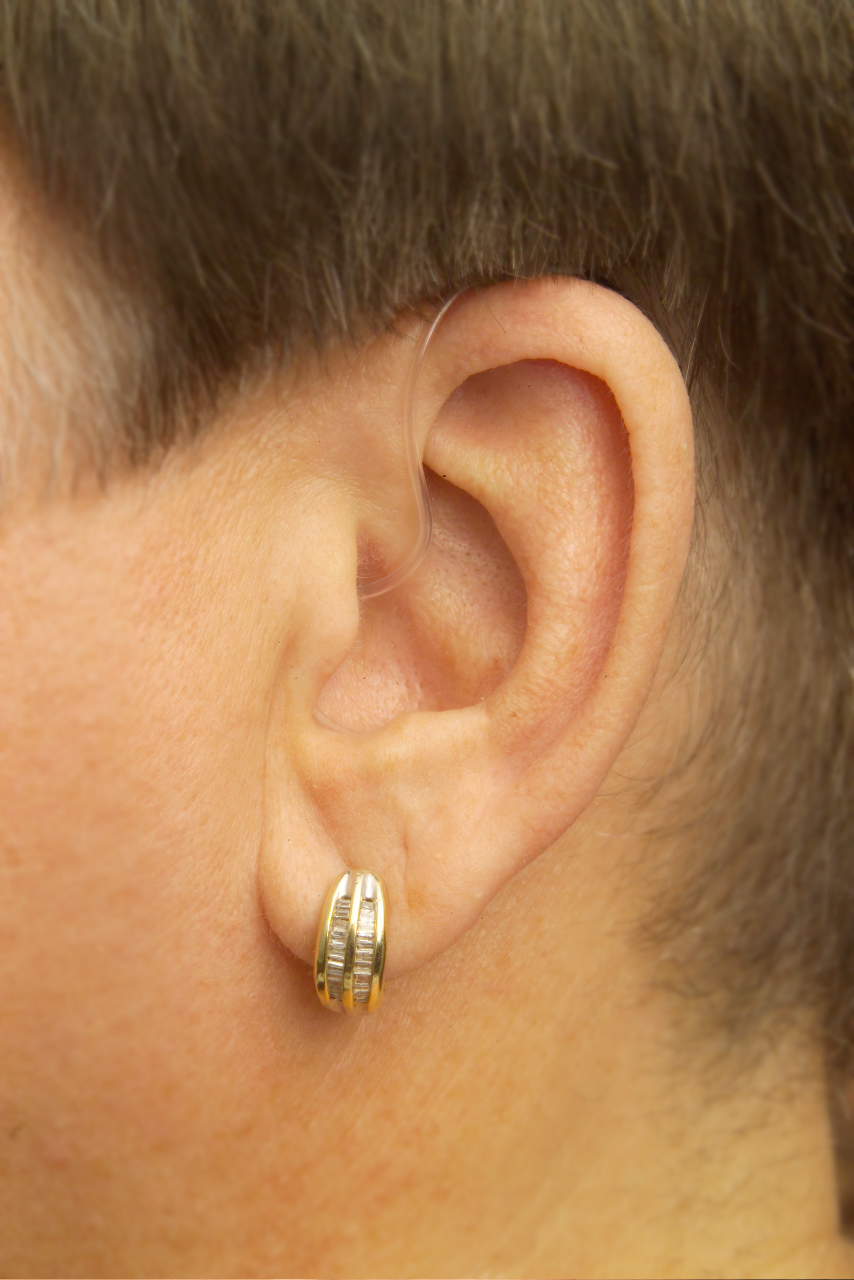
Living with hearing loss can affect more than just your ability to hear. Conversations may require more effort, and background noise can make listening challenging.
With the right support and treatment, it is possible to stay connected and continue living an active, fulfilling life.
Everyday Communication
One of the most noticeable effects of hearing loss is difficulty understanding speech. It is often not simply a matter of volume. Voices may sound unclear, muffled, or distorted. Certain consonants—such as “s,” “f,” or “t”—can be especially difficult to distinguish, making words sound similar.

Background noise adds another layer of complexity. In restaurants, meetings, or social gatherings, multiple voices and ambient sounds compete for attention. The brain must work harder to filter out unnecessary noise and focus on speech. As a result, conversations that once felt effortless may now require intense concentration.
Over time, this increased listening effort can lead to listening fatigue—a deep mental tiredness that is not always obvious to others.
Cognitive and Physical Effects
When the brain has to work harder to interpret incomplete sound signals, it uses more cognitive resources. This increased effort can contribute to fatigue, reduced concentration, and even headaches. Many people describe feeling exhausted after social events or long workdays, not because of the activity itself, but because of the constant need to “fill in the gaps” in conversations.
In some cases, individuals may also experience stress or frustration, particularly if communication breakdowns happen frequently. Repeating “Could you say that again?” can feel discouraging over time.
Social and Emotional Impact
Hearing plays a central role in social interaction. When communication becomes challenging, some people may begin to withdraw from social situations. They might avoid group conversations or noisy environments to reduce frustration or embarrassment.

This withdrawal is often gradual. It may begin with choosing quieter settings or sitting closer to speakers, but over time, it can lead to reduced participation in activities that were once enjoyable. Feelings of isolation, lowered confidence, or misunderstandings with family and friends may occur if hearing difficulties are not addressed.
Importantly, these challenges are not signs of weakness—they are natural responses to communication barriers.
Work and Daily Activities
In professional settings, hearing loss can affect meetings, phone calls, and teamwork. Misunderstandings may occur if instructions are not clearly heard. In fast-paced environments, keeping up with conversations can be particularly demanding.
At home, everyday sounds—doorbells, alarms, or subtle cues in the environment—may become harder to detect. For some, this can lead to concerns about safety or independence.
Adaptation and Support
Although living with hearing loss presents challenges, it is important to emphasize that effective solutions are available. Modern hearing aids and assistive listening devices are highly advanced and can significantly improve clarity and reduce listening effort. With proper assessment and individualized treatment, many people experience noticeable improvements in communication and overall well-being.

Equally important is open communication with family, friends, and colleagues. Simple strategies—such as facing the speaker, reducing background noise, and speaking clearly—can make a meaningful difference.
A Life That Remains Full
Hearing loss changes how sound is perceived, but it does not define a person’s abilities, intelligence, or potential. With appropriate support, most individuals continue to lead active, social, and fulfilling lives.
Seeking help early can reduce unnecessary strain and prevent avoidable frustration. The first step is often the simplest: acknowledging changes in hearing and scheduling a professional hearing assessment. From there, practical solutions can help restore clarity, confidence, and connection in everyday life.
Advice for hearing loss?
For personal advice or help booking an appointment, you can call us at +46 8 720 39 00 or leave a message on the right.
