

Tinnitus is the experience of hearing sounds such as ringing, buzzing, or hissing without an external source. It is a common condition that can vary in intensity and impact. While tinnitus can sometimes feel overwhelming, effective assessment and treatment options are available to help reduce its impact on daily life.
As part of the assessment process, we also take time to explore how you experience your tinnitus and how it affects your daily life. This includes discussing areas such as work, leisure activities, school, sleep, and social relationships. Understanding the personal impact of tinnitus is essential in determining the most appropriate course of action.
Once this individual mapping has been completed, several treatment options may be considered. The choice of treatment depends on the severity of your symptoms and whether hearing loss is present.
Examples of treatment approaches include:
-
Cognitive Behavioral Therapy (CBT)
-
Internet-based self-help programs
-
Group information sessions
-
Counseling or talk therapy
-
Hearing aid fitting (if hearing loss is involved)
-
Sound therapy or noise generators, including Tinnitus Retraining Therapy (TRT)
-
Relaxation exercises
-
Physiotherapy
-
Massage
-
Dental evaluation for jaw muscle tension
Many people wonder whether tinnitus can be completely cured and whether the ringing can disappear entirely. Unfortunately, there is no quick or simple cure. However, it is possible to learn how to manage tinnitus effectively and reduce the distress it may cause. With the right support, many individuals find that tinnitus becomes much easier to live with over time.
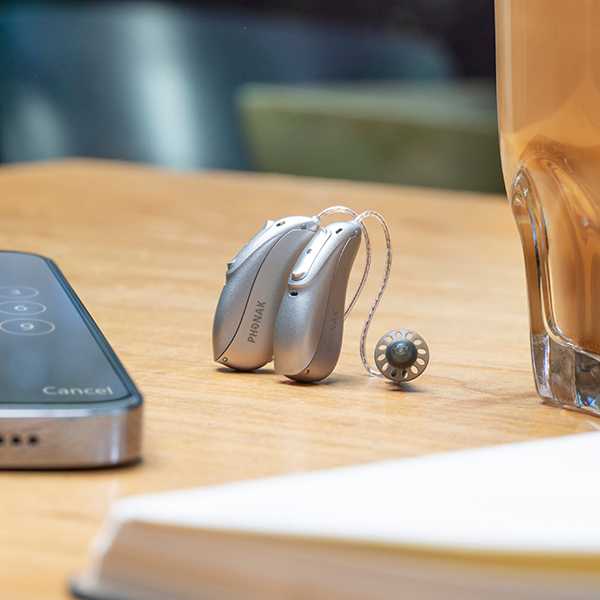
Many people who experience tinnitus also have some degree of hearing loss. By amplifying the frequencies where hearing is reduced, and using one or more tinnitus programs in the hearing aids, it often becomes easier to manage and cope with tinnitus.
Questions about tinnitus treatment?
For personal advice or help booking an appointment, you can call us at +46 8 720 39 00 or leave a message on the right
