
Publicerad den Lämna en kommentar

Hearing clinic in Stockholm for english speakers

about-us-audiologiska

If you are an English speaker living in or visiting Sweden and need hearing care, Audiologiska makes it easy to get professional support. First of all, we have several locations across the Stockholm area, which means you can choose the one that is most convenient for you.

Our Locations

  • Lidingö – 5A, Herserudsvägen, 181 50, Lidingö

  • Danderyd – Svärdsvägen 21 182 33 Danderyd

  • Dalens Sjukhus – Åstorpsringen 6, 121 31, Enskededalen

What to expect

When you visit Audiologiska, you will receive professional, personalized hearing care in English. For example, our team can help you with hearing assessments, hearing aid fitting, and advice on the right hearing solution. Additionally, we make sure your visit is comfortable, so you can ask questions freely and get the support you need.

Booking your visit

You can easily book an appointment online through our website. If you already have hearing test results, please bring them or send them to us before your appointment. Otherwise, you can take an online hearing test using this link to prepare for your visit.

Also, you can call us at +46 8 720 39 00 or email info@audiologiska.se for any questions or to schedule an appointment. This way, we can make sure your visit goes smoothly.

Why choose audiologiska

We have English-speaking staff to ensure clear communication. In addition, our multiple locations across Stockholm make it easy to find a convenient clinic. Finally, we provide personalized hearing care that is tailored to your needs.

Overall, whether you are new to Sweden or just need a hearing check-up, visiting Audiologiska is simple, efficient, and stress-free. Therefore, book your appointment today and take the first step towards better hearing.

Publicerad den Lämna en kommentar

Hearing Loss and Dementia: Understanding the Connection

hearing-dementia

Hearing loss is one of the most common chronic conditions affecting older adults. Yet many people underestimate its impact, not only on communication but also on overall brain health. Recent research has revealed a strong link between hearing impairment and an increased risk of cognitive decline and dementia, highlighting the importance of early detection and intervention.

Studies indicate that adults with untreated hearing loss are significantly more likely to develop dementia compared to those with normal hearing. The exact reasons for this connection are still being explored, but several factors may contribute. First, when the brain has to work harder to process sounds, it diverts cognitive resources away from memory and thinking, which may accelerate cognitive decline. Second, hearing loss can lead to social isolation and loneliness, both of which are known risk factors for dementia. Finally, untreated hearing problems may contribute to changes in brain structure over time.

The good news is that addressing hearing loss may help reduce these risks. Using hearing aids or other assistive listening devices can improve communication, increase social engagement, and reduce the cognitive load on the brain. Regular hearing assessments, especially for older adults, are an important preventive measure.

Awareness is key. Many people delay seeking help, thinking that reduced hearing is just a normal part of aging. However, treating hearing loss is not only about improving your ability to hear — it’s about protecting your brain and maintaining quality of life.

In summary, hearing loss is more than an inconvenience; it is a health issue with potential long-term effects on cognition. Early detection, hearing rehabilitation, and social engagement are crucial steps to reduce the risk of dementia and help individuals remain connected, active, and mentally sharp.

Publicerad den Lämna en kommentar

From Communities to Classrooms: Prioritizing Hearing Care for Children

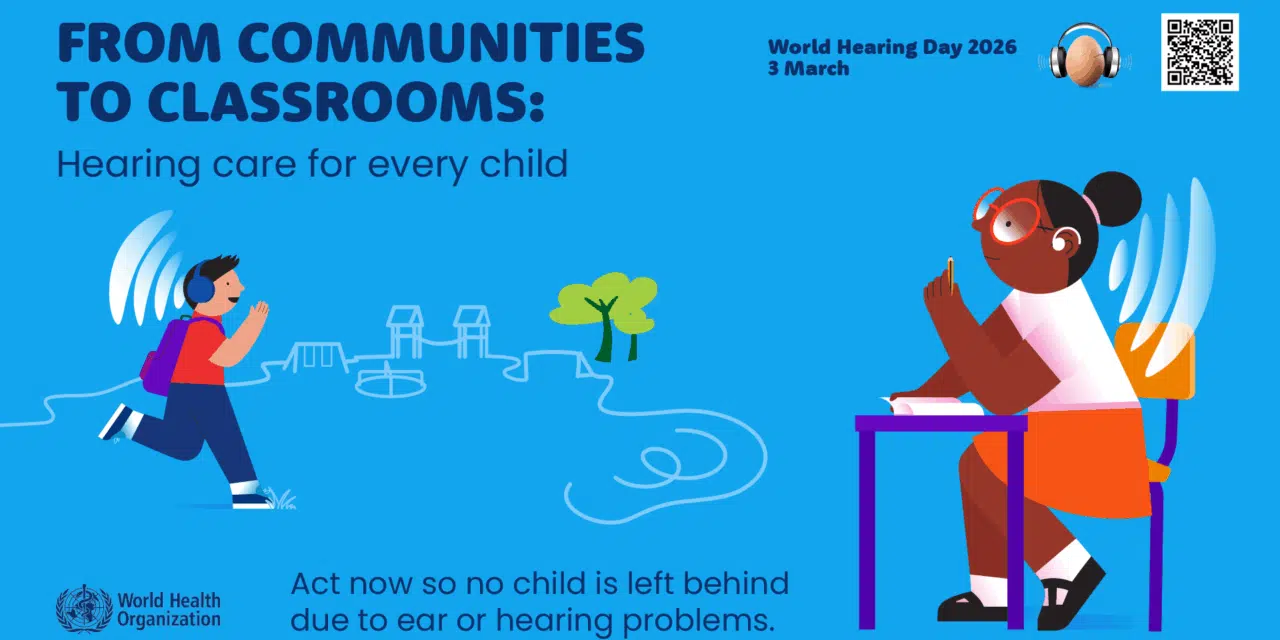
For World Hearing Day 2026, observed annually on March 3, the World Health Organization (WHO) is highlighting the critical importance of early hearing care for children. The campaign, themed “From communities to classrooms: hearing care for all children,” focuses on identifying and addressing ear and hearing problems in pediatric populations to prevent long-term developmental, educational, and social challenges.

Globally, around 90 million children and adolescents aged 5–19 live with hearing loss. Alarmingly, over 60% of childhood hearing loss is preventable through public health interventions. Unaddressed hearing problems can affect speech, language, and cognitive development, often leading to poorer educational outcomes and reduced opportunities later in life. Early detection and intervention are therefore essential.

The 2026 campaign emphasizes the integration of systematic hearing screening and early intervention into existing child and school health programs. Common, treatable causes of childhood hearing loss—such as otitis media with effusion (OME), chronic suppurative otitis media (CSOM), and impacted earwax—can be effectively managed if identified promptly. Multi-sectoral collaboration is a central message: WHO urges hearing care professionals to work alongside school health, primary care, and education sectors to implement effective programs that reach all children.

To support professionals, WHO has released several practical resources:

  • Vision and hearing screening handbook: guidance for establishing school-based screening programs.

  • Basic ear and hearing care materials: training for non-specialist health workers.

  • mSafeListening handbook: evidence-based tools promoting safe listening behaviors.

Additional tools are on the way, including WHOears, a tone-based hearing screening app, and Smart Hearing for Children, educational videos for ages 5–8.

The WHO encourages organizations to register local World Hearing Day events to increase awareness and visibility for pediatric hearing care initiatives. Through early identification, prevention, and coordinated care, the campaign aims to ensure that every child has the opportunity to hear, learn, and thrive—both in the classroom and beyond.