
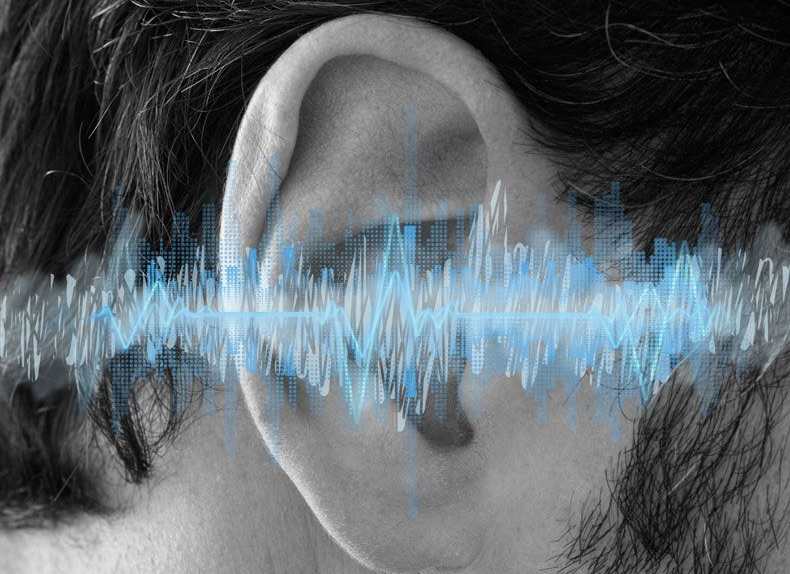
Tinnitus is something many people experience at some point in their lives. For some, it’s a faint hissing sound that only appears occasionally, while others may notice a more distinct ringing or buzzing in their ears. What characterizes tinnitus is that you hear a sound that doesn’t come from your surroundings—the sound is generated somewhere within your own hearing system.
In this article, we’ll go through what tinnitus is, why it occurs, and what you can do to reduce the discomfort.
What is tinnitus?
Tinnitus means hearing a sound even though there is no external source. The sound can be perceived in many different ways, such as:
- high-pitched ringing
- hissing or buzzing
- a constant tone
- pulsating or humming sounds
It’s important to understand that the sound is not imagined. It’s very real to the person experiencing it, but it originates somewhere in the auditory system—such as the inner ear or in the signals being sent to the brain.
You can think of it like an electrical system where something starts to hum or crackle. Just like in a guitar amplifier, the issue can arise at different points in the system.
Common causes of tinnitus
Tinnitus can have many different causes, and sometimes several factors are involved at the same time. Some of the most common include:
Hearing damage or hearing loss
A common cause is damage to the tiny hair cells in the inner ear. When this happens, they may start sending signals to the brain that are interpreted as sound—even though no actual sound is present.
Loud noise exposure
After a concert, a night out, or a day in a noisy environment, you might notice ringing or buzzing in your ears. This often goes away after a while—but it’s a sign that your ears have been overloaded.
Stress and fatigue
Stress, poor sleep, and general exhaustion can make tinnitus feel more intense.
Tension in the neck and jaw
Tight muscles in the neck or jaw can affect the auditory system and sometimes make tinnitus worse.
Certain medications
Some medications, including certain painkillers, can in some cases trigger or amplify tinnitus.
Why is tinnitus often more noticeable at night?
Many people find that tinnitus becomes more noticeable when they’re trying to fall asleep. This usually isn’t because the sound itself is getting louder—it’s because the brain has less else to focus on.
Normally, the brain filters out a huge amount of background information. When it’s quiet, there are fewer external sounds to compete with, making tinnitus more noticeable.
What can you do about tinnitus?
Unfortunately, there’s no universal cure for tinnitus. However, there are many ways to reduce the discomfort and make it less noticeable.
1. Take care of your hearing
Avoid very loud sounds and use hearing protection in noisy environments. A simple rule of thumb:
If you have to raise your voice to speak to someone one meter away, the noise level is probably too high.
2. Reduce stress
Stress and fatigue can make tinnitus more noticeable. Regular exercise, better sleep, and proper recovery can help.
3. Background sound can help
Many people find that tinnitus is less bothersome when there’s a gentle background sound, such as:
- calming music
- nature or ambient sounds
- a podcast
- specially designed tinnitus masking sounds
This helps the brain focus on other sounds.
4. Hearing aids
If tinnitus is linked to hearing loss, hearing aids can sometimes help. They amplify external sounds, which reduces the brain’s focus on the tinnitus.
5. Get a hearing test
If you experience tinnitus, it’s a good idea to check your hearing. A hearing test can reveal whether your symptoms are connected to hearing loss and help guide the right treatment.
When should you seek help?
You should consider contacting a healthcare provider or hearing specialist if:
- the tinnitus doesn’t go away
- the sound becomes stronger or more disturbing
- you also experience hearing loss
- it affects your sleep or quality of life
- it occurs together with dizziness or balance problems
If tinnitus occurs along with dizziness, unsteadiness, or balance issues, it may indicate that the inner ear is affected. The inner ear contains both the hearing and balance organs, so problems there can impact both systems at the same time.
In such cases, it’s especially important to have a doctor or hearing specialist investigate the cause. In many cases, the cause is harmless—but it’s still wise to get a proper assessment and the right support.